
On Tuesday, December 30th, we’ll gather once again around a long table at The Kitchen at Jolly Pumpkin for our Farm-to-Table Community Dinner. As always, the food will be delicious — but this month, we want to pause and share the deeper story behind one special ingredient on the menu: the lamb.
Because this lamb represents something much bigger than a single dish. It tells the story of a community food system working exactly the way it’s meant to.
It Starts With a Young Farmer
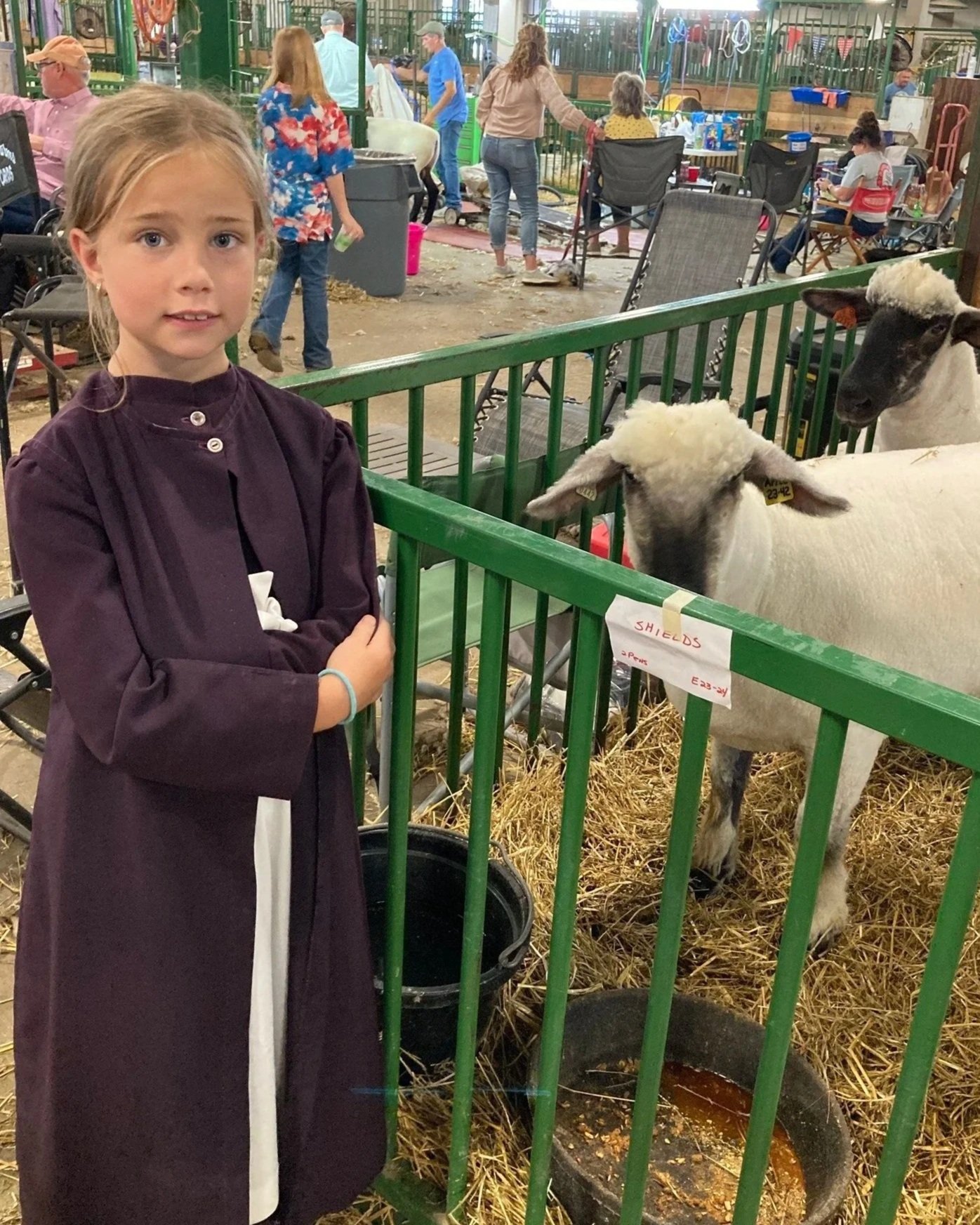
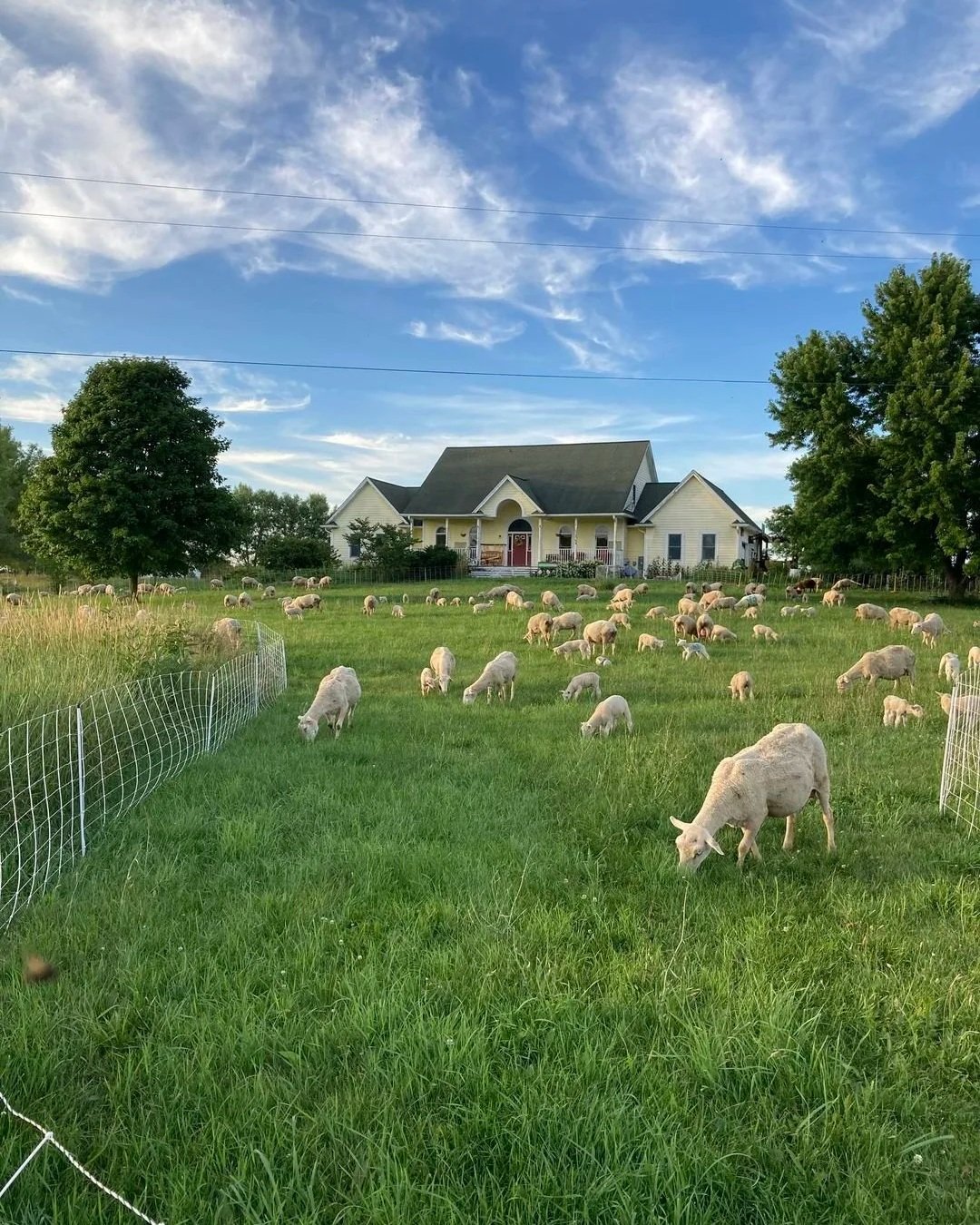
This lamb was raised by Martha at nkidsfarm as her 2025 4-H fair project. All summer long, the lamb grazed on pasture alongside the flock of sheep at nkidsfarm, learning the rhythms of grass, weather, and careful animal care.
For Martha, this wasn’t just a project — it was a season-long commitment. 4-H teaches young people how to show up every day, how to care for living beings, and how to take responsibility for the food system they are a part of. Raising livestock requires patience, consistency, and respect, and those lessons don’t come from a textbook.
Farmers Stewarding Land and Animals
At nkidsfarm, livestock are raised the way they’re meant to be — on pasture, moving with the seasons, cared for by people who know their animals and their land. The lamb spent its days grazing, growing slowly and naturally, supported by a farming system that prioritizes animal welfare, soil health, and long-term stewardship.
This is the foundation of a resilient food system: farms that are connected to place, not scaled beyond care, and rooted in relationships rather than extraction.

A Chef Who Chooses to Support the System
When it came time to sell the lamb, Maggie and the team at The Kitchen at Jolly Pumpkin purchased it directly from Martha.
That choice matters.
Maggie and JP are longtime supporters of Washtenaw County 4-H and small farms, and purchasing this lamb was a direct investment in a young farmer and the values behind her work. Supporting local food systems isn’t just about buying “local” — it’s about choosing to participate in relationships that strengthen the whole network.
Humane Processing as Skilled Craft
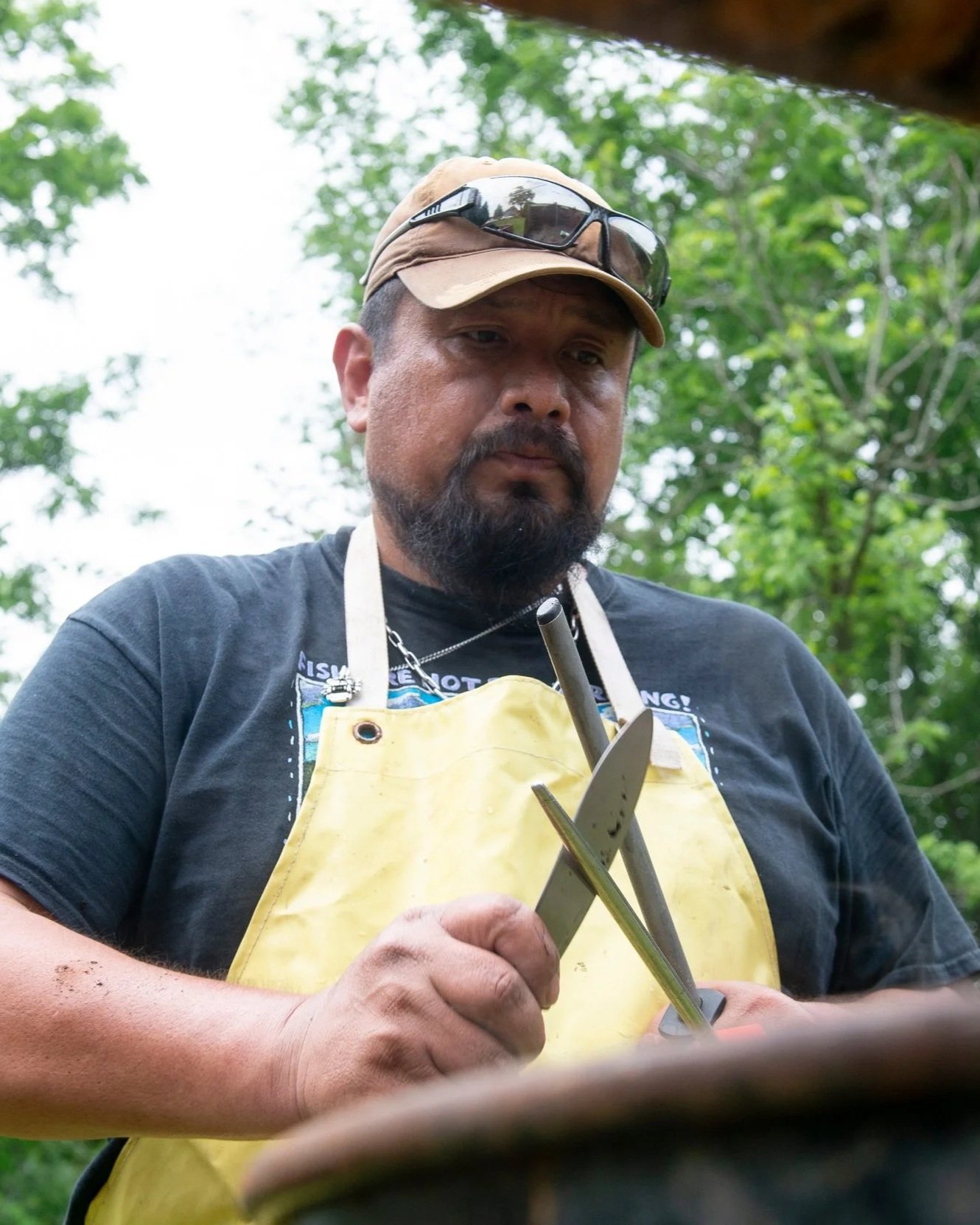
To complete the journey, Damian from Damian’s Craft Meats came to nkidsfarm to humanely process the lamb. Processing is often the least visible part of the food system, but it is one of the most important.
Damian’s work reflects deep respect for the animal and the farmer who raised it. Humane handling, skilled butchery, and thoughtful use of the whole animal ensure that nothing is wasted and that the integrity of the process is maintained from start to finish.
This step — often hidden from view — is essential to rebuilding regional food systems that are ethical, transparent, and resilient.
From Ingredient to Shared Meal
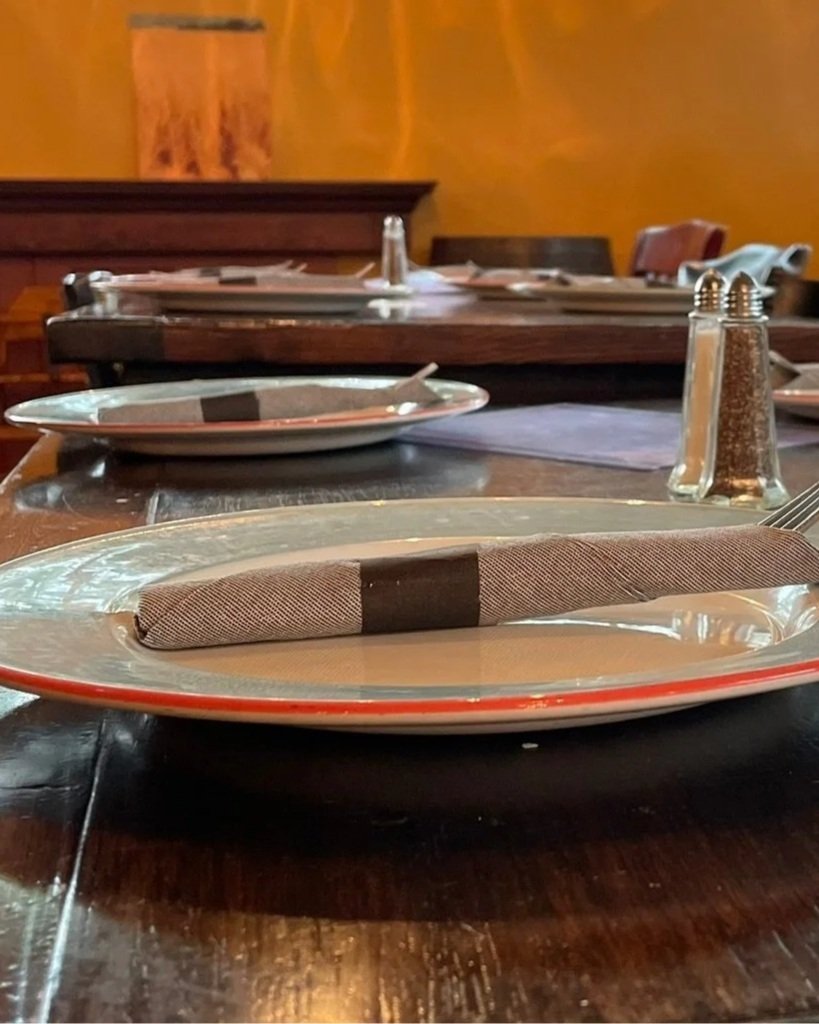
Now, the final chapter: the lamb returns to the hands of Chef Maggie, who will transform it into a dish meant to be shared.
Community dinners are about more than what’s on the plate. They’re about sitting down together, meeting the people behind your food, and understanding how many hands and decisions it takes to get a meal from pasture to plate.
This Is What a Local Food System Looks Like
When we talk about “local food,” this is what we mean.
It’s not just proximity — it’s connection. It’s young people learning to farm. It’s farmers supporting farmers. It’s chefs choosing values over convenience. It’s businesses like Washtenaw Meats working behind the scenes to connect these dots and make sure the system works for everyone involved.
And it’s neighbors gathering around a table, sharing a meal that carries its full story with it.
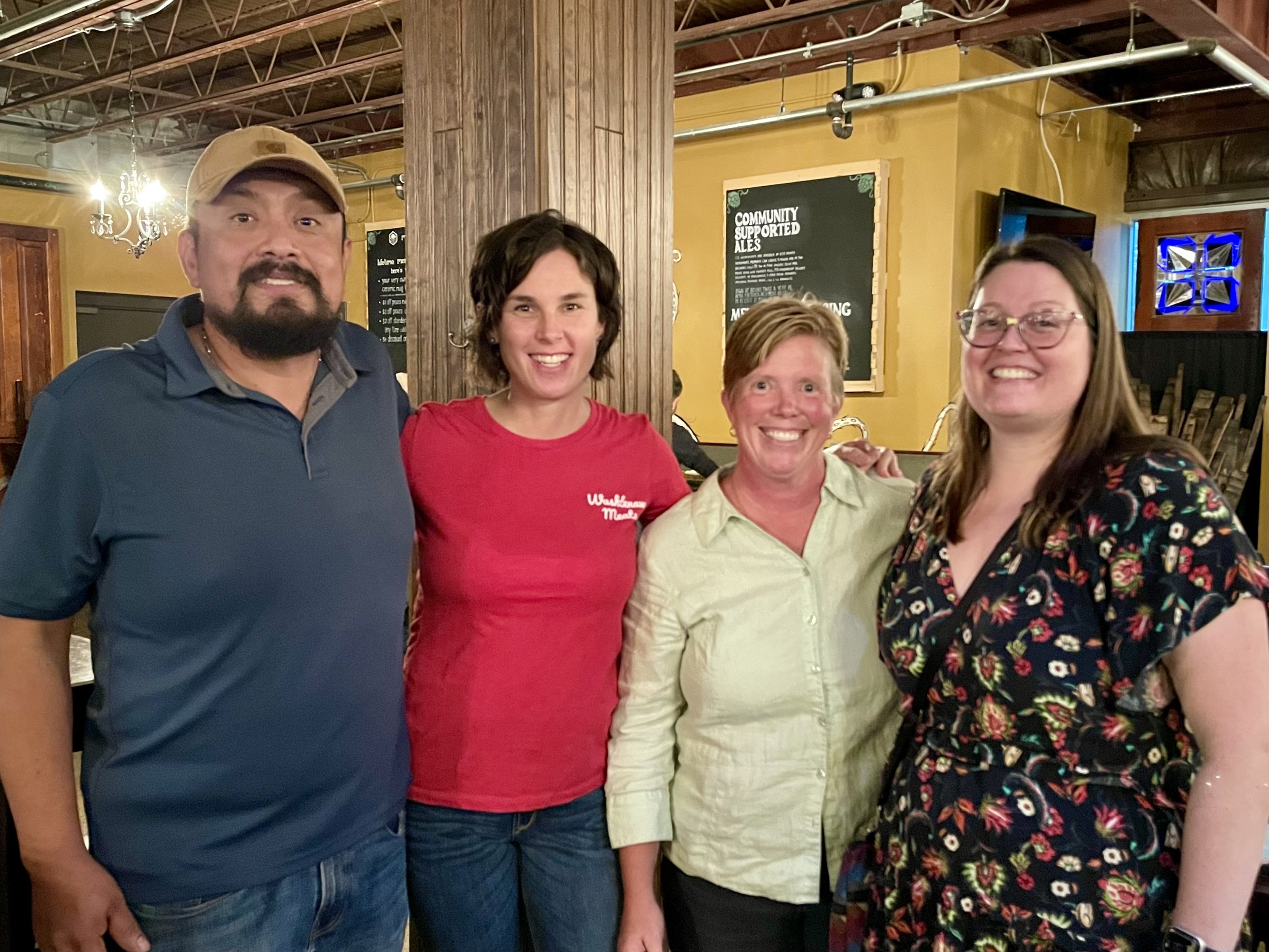
Join Us on December 30
Our Farm-to-Table Community Dinner on Tuesday, December 30th is a celebration of all of this — the people, the work, and the relationships that make good food possible.
We hope you’ll join us. 👉 Learn more and reserve your seat.
Because when you support local food systems, you’re not just buying dinner — you’re investing in the future of farming, food, and community right here at home.